Swimclinic.chAppenzell, St. Gallen, Thurgau, Ostschweiz |
|
Crawl-Schwimmkurse
|
Tipps & Ratgeber Schwimmen |
Lerne effizient Crawl zu schwimmenInstruktor: Felix Gmünder |
|
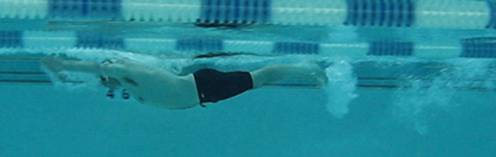
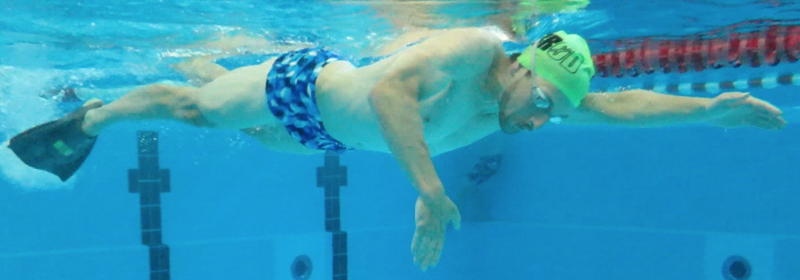 Ich wende seit 20 Jahren die Methode Lerne effizient Crawl zu schwimmen in Anlehnung an die in Australien erfolgreich entwickelte Crawl-Technik für Mittel- und Langstreckler an. Der eigentliche Kniff um schneller und ohne Ermüdung zu schwimmen ist die Reduktion des Wasserwiderstands: Einhaltung einer guten Körperhaltung, Körperspannung und Wasserlage während des Armzugzyklus und beim Einatmen. Der effektvolle Einsatz des ganzen Körpers beim Armzug und Beinschlag kommt als Zweites. Ich wende seit 20 Jahren die Methode Lerne effizient Crawl zu schwimmen in Anlehnung an die in Australien erfolgreich entwickelte Crawl-Technik für Mittel- und Langstreckler an. Der eigentliche Kniff um schneller und ohne Ermüdung zu schwimmen ist die Reduktion des Wasserwiderstands: Einhaltung einer guten Körperhaltung, Körperspannung und Wasserlage während des Armzugzyklus und beim Einatmen. Der effektvolle Einsatz des ganzen Körpers beim Armzug und Beinschlag kommt als Zweites.
Video-Aufnahmen in HD-Qualität über und unter Wasser werden zur Beschleunigung des Lernerfolgs gleich am Beckenrand analysiert. Die ausführliche Videoanalyse hilft dir, deine Schwimmtechnik weiter zu verbessern (Link zu einem Beispiel). Ich bin seit vielen Jahren als Schwimmlehrer für Anfänger und als Trainer von Schwimmern bis zum internationalen Eliteniveau tätig. Mit der beschriebenen Technik wurde ich ein Top-Ten-Mastersschwimmer auf Weltniveau im Pool und Open Water. |
|
Einzelunterricht oder in kleinen Gruppen bis drei Personen |
|
|
|
| Preise in Franken pro Person | |
| 1 Person 2 Personen 3 Personen |
30 / 45 / 60 Minuten 60.00 / 90.00 / 110.00 50.00 / 70.00 / 90.00 40.00 / 55.00 / 70.00 |
|
To the top |
|
|
|
Warum die Analyse im Schwimmbecken dem Strömungs- bzw. Schwimmkanal überlegen ist:
|
|
Kosten CHF 150.00. Im Preis inbegriffen ist folgendes Leistungspaket:
|
|
| To the top | |
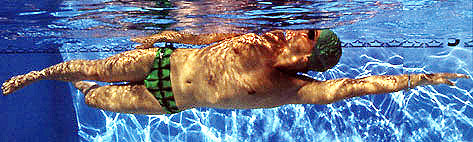 Lerne effizienter Crawl zu schwimmen
 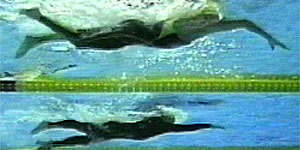 Analyse von Grant Hacketts und Ian Thorpes Schwimmtechnik
 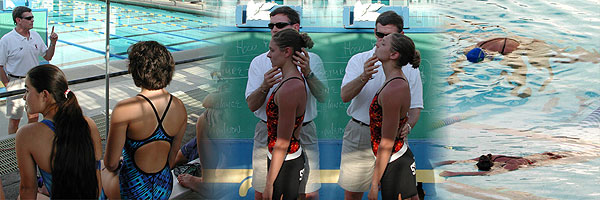 Schneller Schwimmen mit guter Körperhaltung und Schweben
 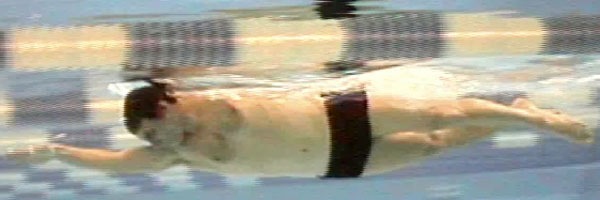 Warum die richtige Wasserlage so wichtig ist
 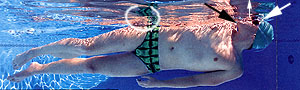 Basisübungen für die richtige Wasserlage
 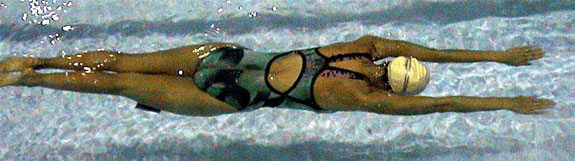 Lerne zu Schweben.
 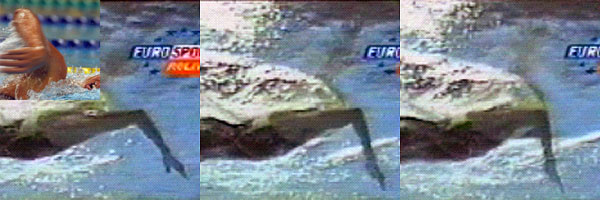 Hoher Ellbogen
 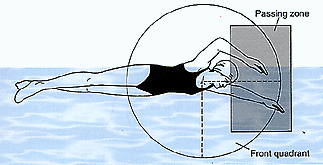 Was bedeutet "Front-Quadrant-Swimming"?
 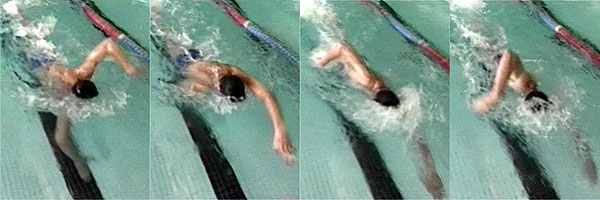 Koordination des Crawlarmzugs
 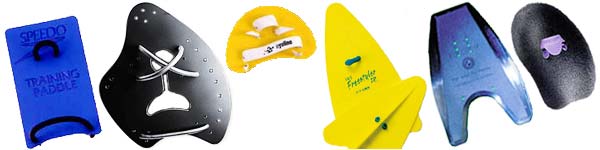 Paddels im Schwimmen
 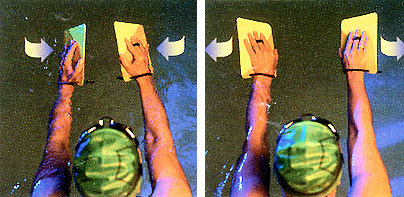 Paddelübungen mit Paddels
 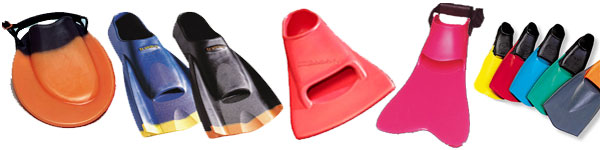 Flossen im Schwimmen
 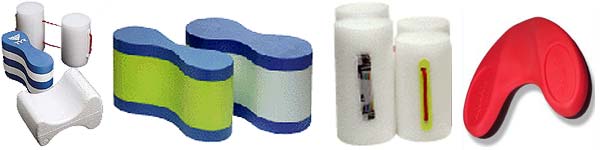 Pull Buoy: Die Tücke mit der Krücke
 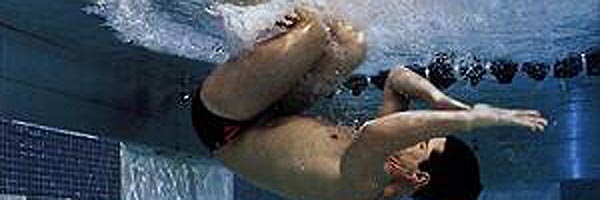 Wie macht man die Rollwende beim Kraulschwimmen?
 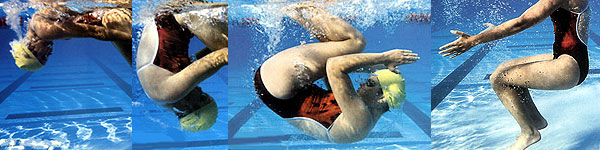 Wie lernt man die Rollwende beim Kraulschwimmen?
  Swim Clinics and Use of Video Analysis
  Trainingsplanung für nicht organisierte Schwimmerinnen und Schwimmer
  Schwimmtraining für Triathleten
  Höhentraining
  Dekonditionierung
  The English Channel Swim - von einer psychologischen Warte aus betrachtet
  Kanalschwimmen–ein persönlicher Erfahrungsbericht von Roberta Bernet
  Langstreckenschwimmen: Vorbereitung und Tipps
 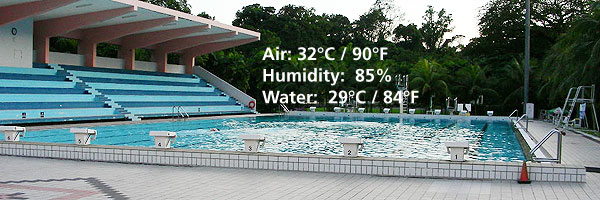 Tropen- statt Höhentraining?
  übertraining
  Schwimmen und Fettabbau
 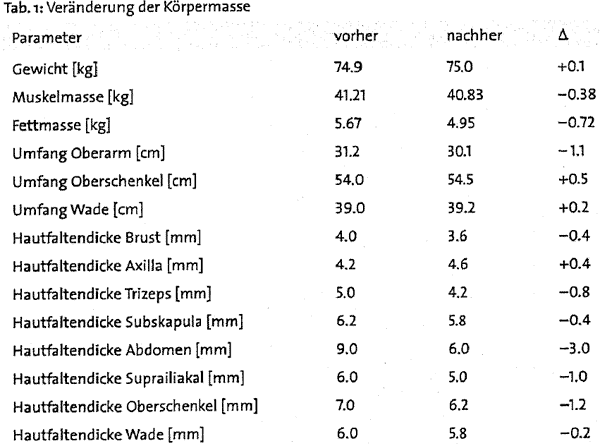 Fett- und Muskelmasseverlust beim Langstreckenschwimmen
 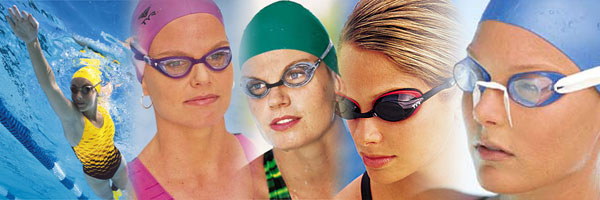 Schwimmbrillen
 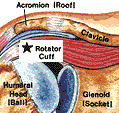 Schulterschmerzen im Schwimmen: Anatomische Grundlagen, Ursachen und Vorbeugung
 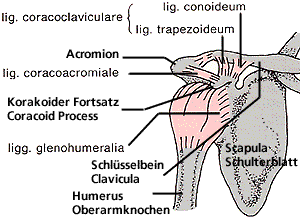 Muskeln der Rotatorenmanschette und der Schulterblattmuskulatur:
 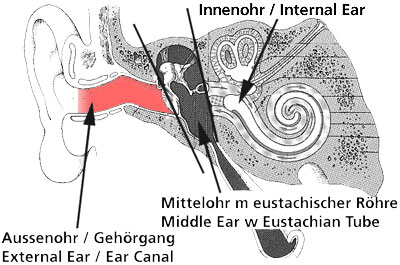 Wie kann ich Ohrenschmerzen nach dem Schwimmen vermeiden?
  Warum habe ich nach dem Schwimmen häufig Kopfschmerzen?
 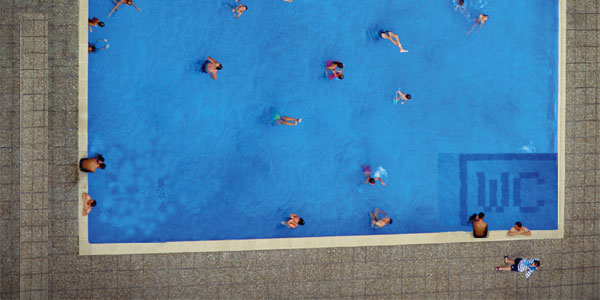 Warum muss ich beim Schwimmen so oft auf die Toilette?
  Woher kommen meine Wadenkrämpfe und was kann ich dagegen tun?
 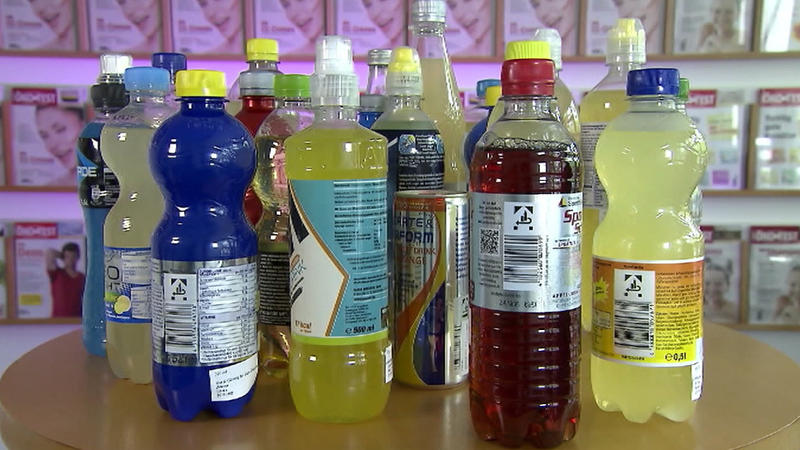 Flüssigkeitsersatz - Trinken im Schwimmsport
  Seitenstechen
  Welches ist der beste Life-Time-Sport?
  Wasser schlucken wir beim Schwimmen?
  Was Sie wissen müssen über das Schwimmen mit Babies und Kleinkindern
 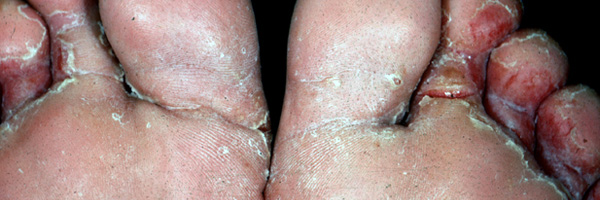 Wie schützt man sich vor Fusspilz?
 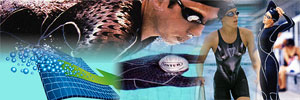 Bodysuits im Schwimmen
 Schwimmen: Die Geschichte des Bodysuit und Fastskin
 Geschichte des Badeanzugs